Design
How to make your first indie game
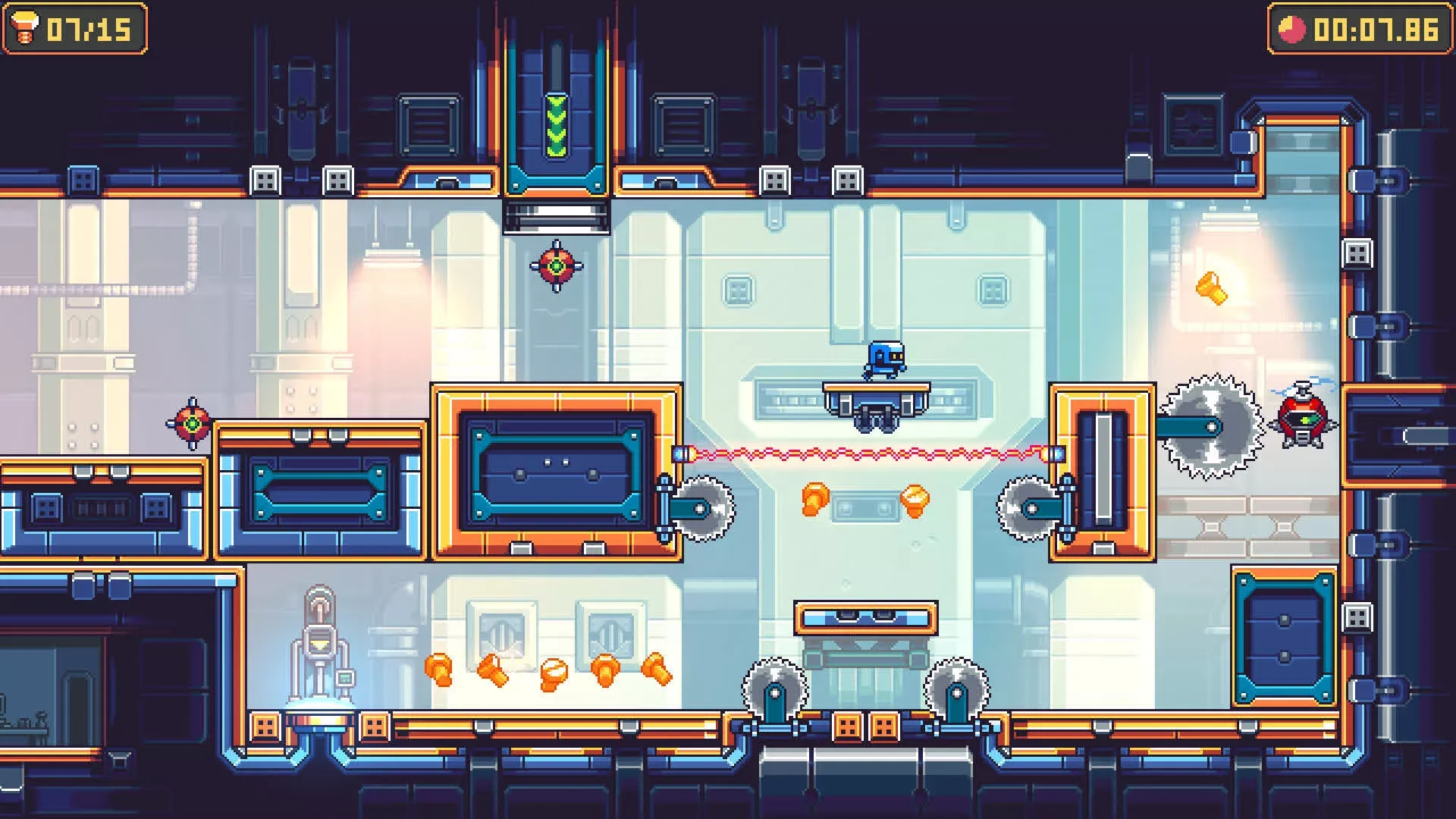
And how to get over that first hurdle. (Cover image game: Bzzt)
So you want to make an indie game.
That’s great! You have an idea you’re passionate about, and deciding to build something of your own is a big step in its own right.
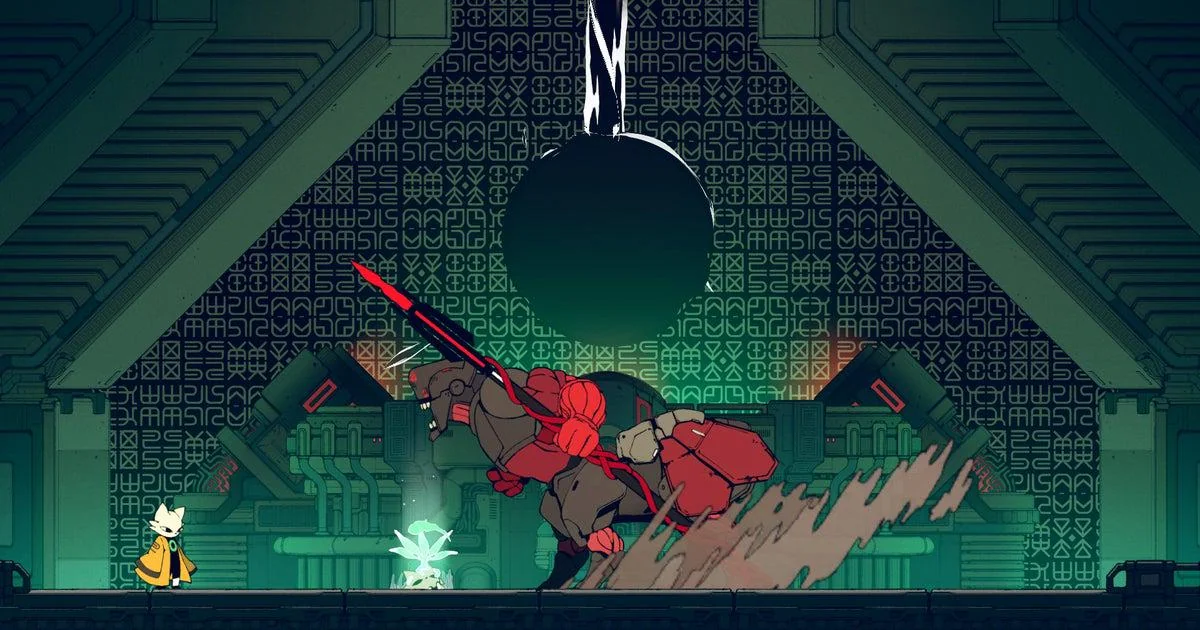
But then you look around and see all these indie games with immaculate pixel art, innovative and unique gameplay loops, charming characters, and massive fan followings. And now all of a sudden you’ve got a knot in your stomach. “How could what I make possibly measure up?” you think to yourself. Here’s the thing: it probably won’t. And that’s ok.
The most important step: just get started
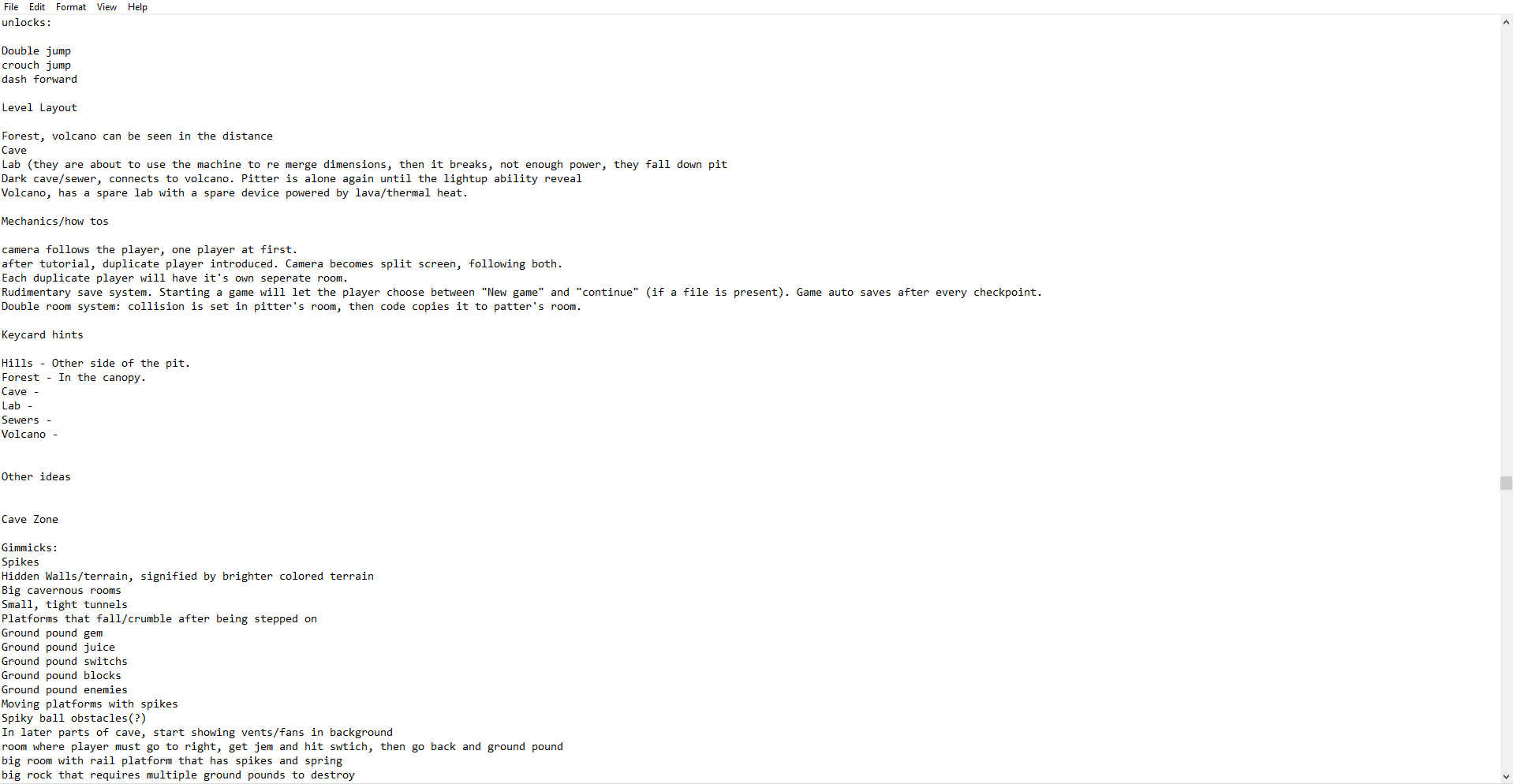
As cliché as it sounds, the best advice is sometimes the simplest. You need to start working on your game today, now, on whatever part or aspect of it excites you the most, whether that be the characters, story, mechanics, art, or whatever. You don’t even need an engine: you can just write your ideas down in a notepad file, which is exactly how I started (heck, I still do this all the time.)
Make small games
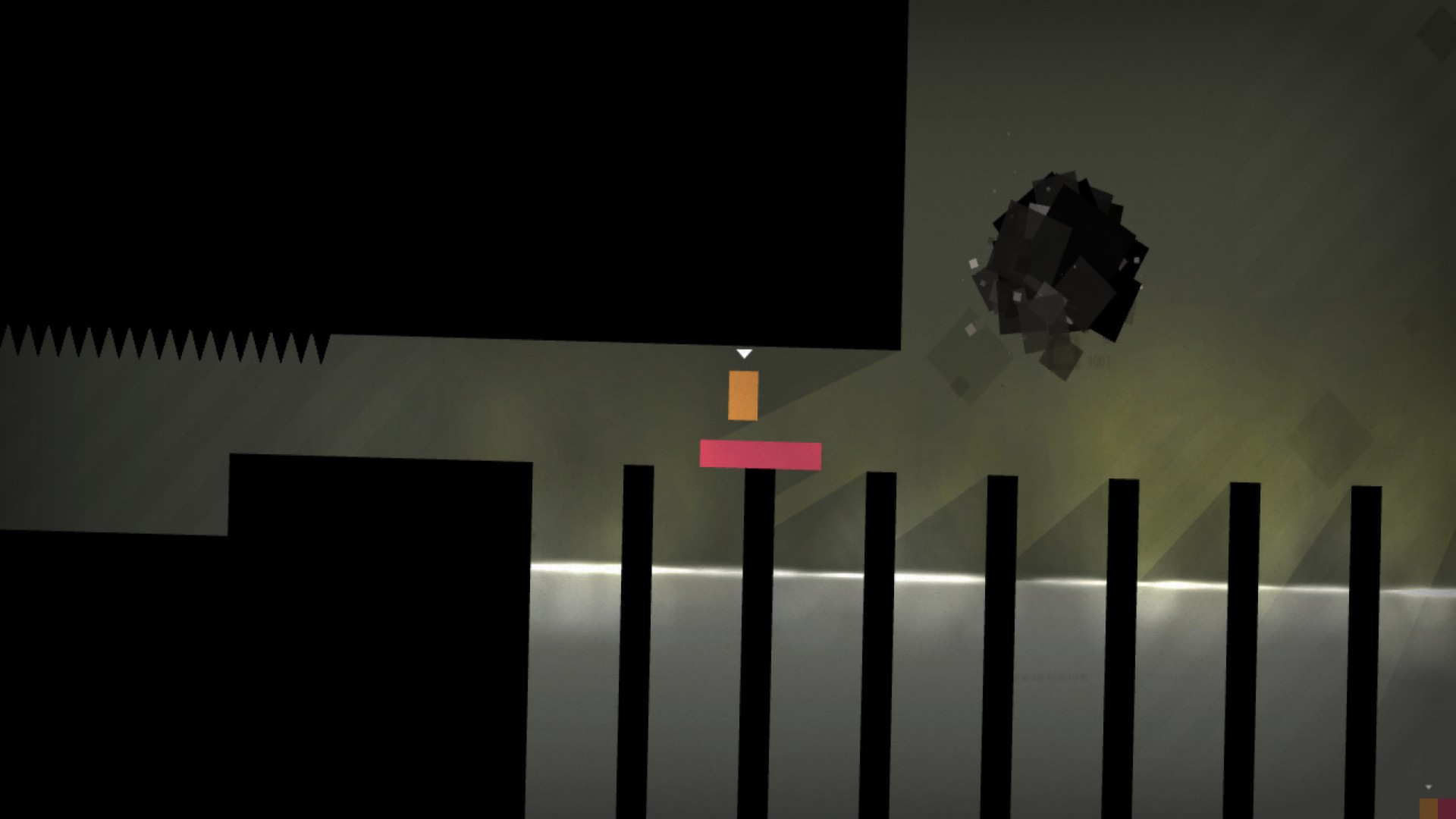
Aside from the above, the other biggest tip I can give to new developers is to start. Small. I know, I know, you have your grand idea, your magnum opus that you can’t wait to get started on, and it’s gonna change the industry, and so on. I’ve been there, trust me. Save it for a bit later. Why? A few reasons.
- You need to find out if you actually enjoy making games. Thinking about making a game is a whole different ballpark than actually making a game. You’ll find that things often go wrong, progress can slow to a crawl, tasks can be tedious, and all sorts of other issues can crop up. Making a small game is a great way to gauge if you’re willing to put up with some of these issues for the sake of completing a project.
- You’ll learn how to release a game. Releasing a game is it’s own skillset, and a skillset you’ll want to have a handle on before you push out your masterpiece. Most games release on Steam, and you’ll want to become familiar with how Steam handles it’s releases, the various steps you’ll have to take to get approved, and so on.
- And perhaps the biggest reason: You’ll improve. I started working on HeartLink about 4 years ago, an arcade style shoot ’em up. The demo I eventually made for that game is so bad and unfun to play that I won’t even link it here. But in making that game and subsequent games after, I eventually learned enough skills that when I started on my current project, Seeing Double, I was able to bring it to a level of polish that would have been impossible had this been my first project. This will be true of your games as well. Start will smaller games to build your skillset, and by the time you’ve made a few you’ll be ready to make your dream game and give it the level of polish it deserves.
Ok, thanks for the lecture, grandpa. Can you tell me something actually useful? Like a game engine to use, for example?
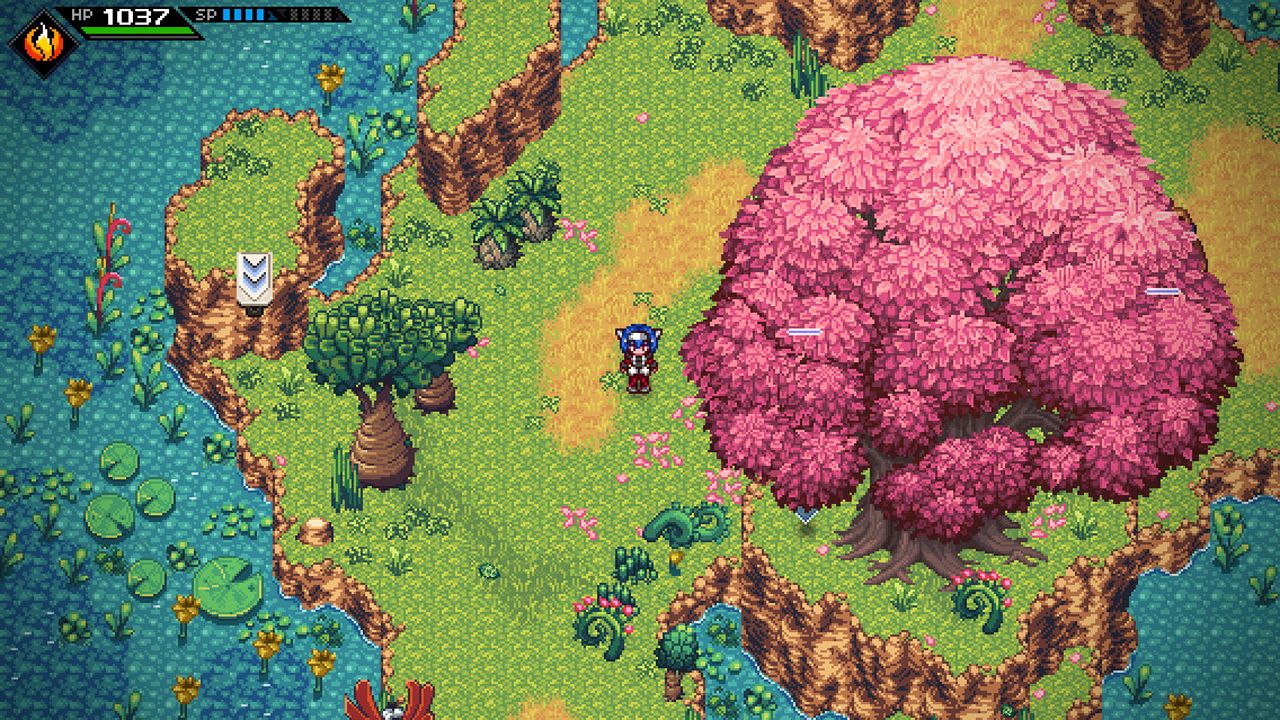
A game engine is the software you’ll build your game in. There are plenty to choose from, and no single one is right for everybody. Do your research carefully before you commit. Watch a few tutorials, read what other people have to say, and mess around in an engine or two for an afternoon.
That said, I have a few beginner-friendly engines I’d recommend:
For 2D games: GameMaker or Godot
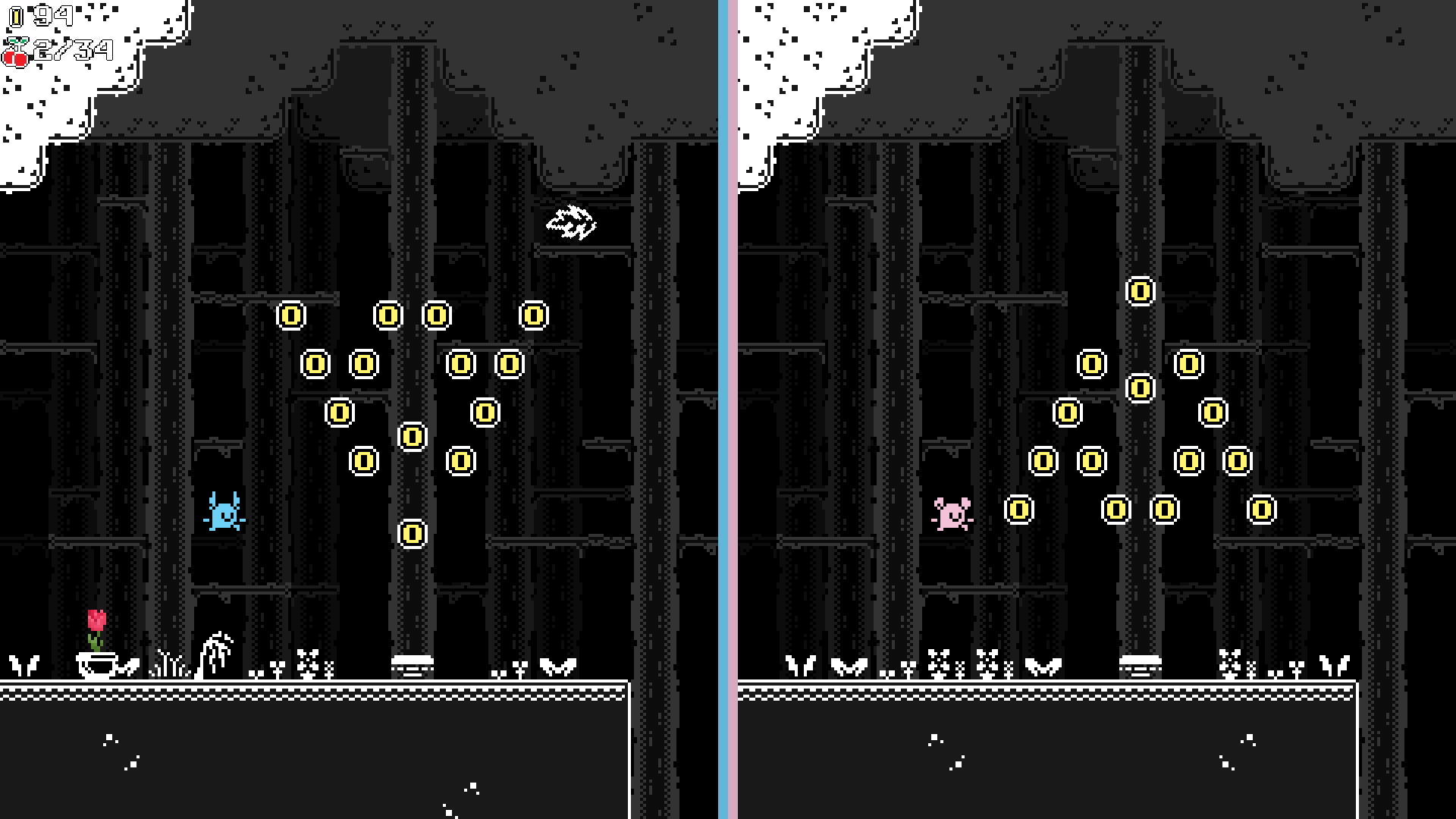
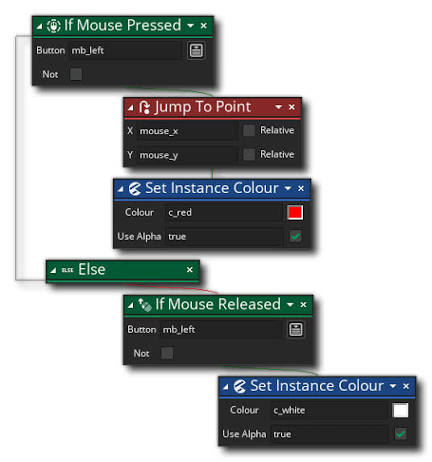
GameMaker is my personal favorite, and it’s what I used to make Seeing Double and Incantdown. It’s built around 2D, and you can get something moving on screen in as little as five minutes. It also comes with a beginner friendly visual block-based logic system, so if coding is not your strong suit you can still make games!
Godot is another excellent choice for 2D. It’s completely free, open source, and backed by a large, helpful community, plus it’s been steadily growing in popularity.
For 3D games: Unity
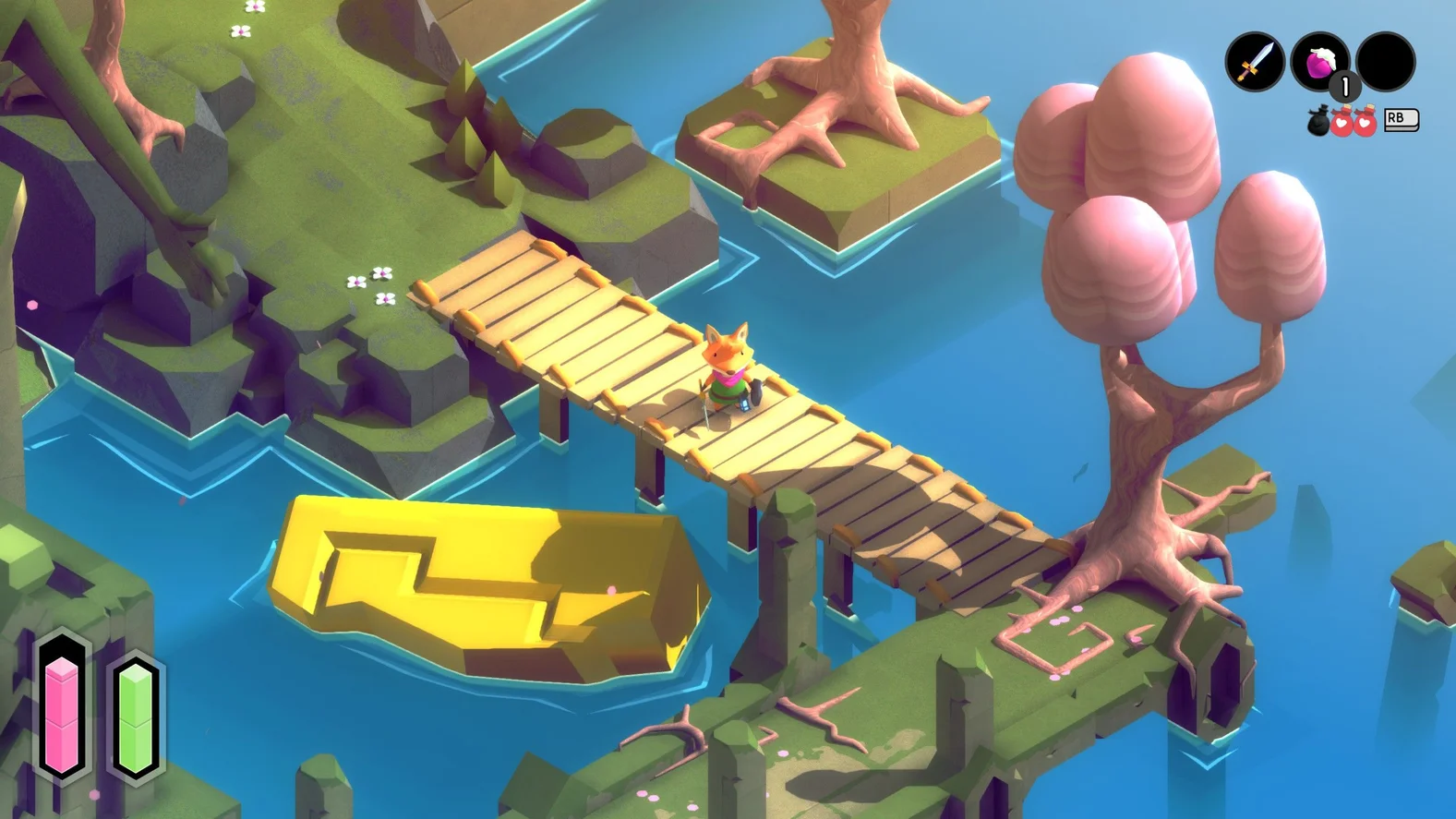
If your idea needs three dimensions, I’d recommend Unity. It has been around for years, so there’s a tutorial for almost any problem you’ll run into.
There are many, many other game engines out there, so feel free to do some research. These are just my personal picks.
Making your first indie game won’t always be easy, but if you stick with it you’ll find that it’s one of the most rewarding things you can do. Seeing someone play a game you’ve worked night and day on is a wonderful, fulfilling experience. You don’t need to be an expert, nor do you even need to have a concrete plan.
You just need to begin.
Good luck on your game-making adventure. I can’t wait to see what you come up with!